Animated explanation
- Establish the geometry
- See how one reading forms
- Change a condition and observe
- Return to the formula and its limits
The animation explains relationships and directions. Read numbers from the formula, the standard and your records.
Longer distance, larger spot
The outgoing beam is not perfectly parallel and retains a residual divergence. As the distance grows, so does the spot diameter on the reflector.
If the effective mirror aperture is smaller than the spot, part of the light misses the mirror, the return signal weakens and reading noise rises. Long-distance work must check spot and mirror size together.
Focal length sets sensitivity and field of view
From θ = x/(2f), a longer focal length produces a larger focal-plane shift for the same angle, so sensitivity rises.
Yet with a fixed detector size, a longer focal length narrows the field of view. Long-distance models therefore commonly pair a larger aperture and longer focal length with a smaller field, for example ±600″ instead of ±1000″.
Air and obstruction
Long paths are sensitive to temperature gradients and air movement. Heat near the floor, passing people and air-conditioning draughts all make readings wander.
Keep away from heat sources and strong air movement, add a shielding tube or baffle when needed, and record ambient temperature. The amplitude of the wander itself indicates whether data are usable.
How to select for distance
Start from the longest working distance with margin, then confirm that the field of view at that distance covers the measured angle, and finally check mirror aperture and mounting space.
If the distance approaches the model limit, step up one model and use a larger reflector rather than relying on weak return light near the limit.
Related methods and industries
Recommended instruments
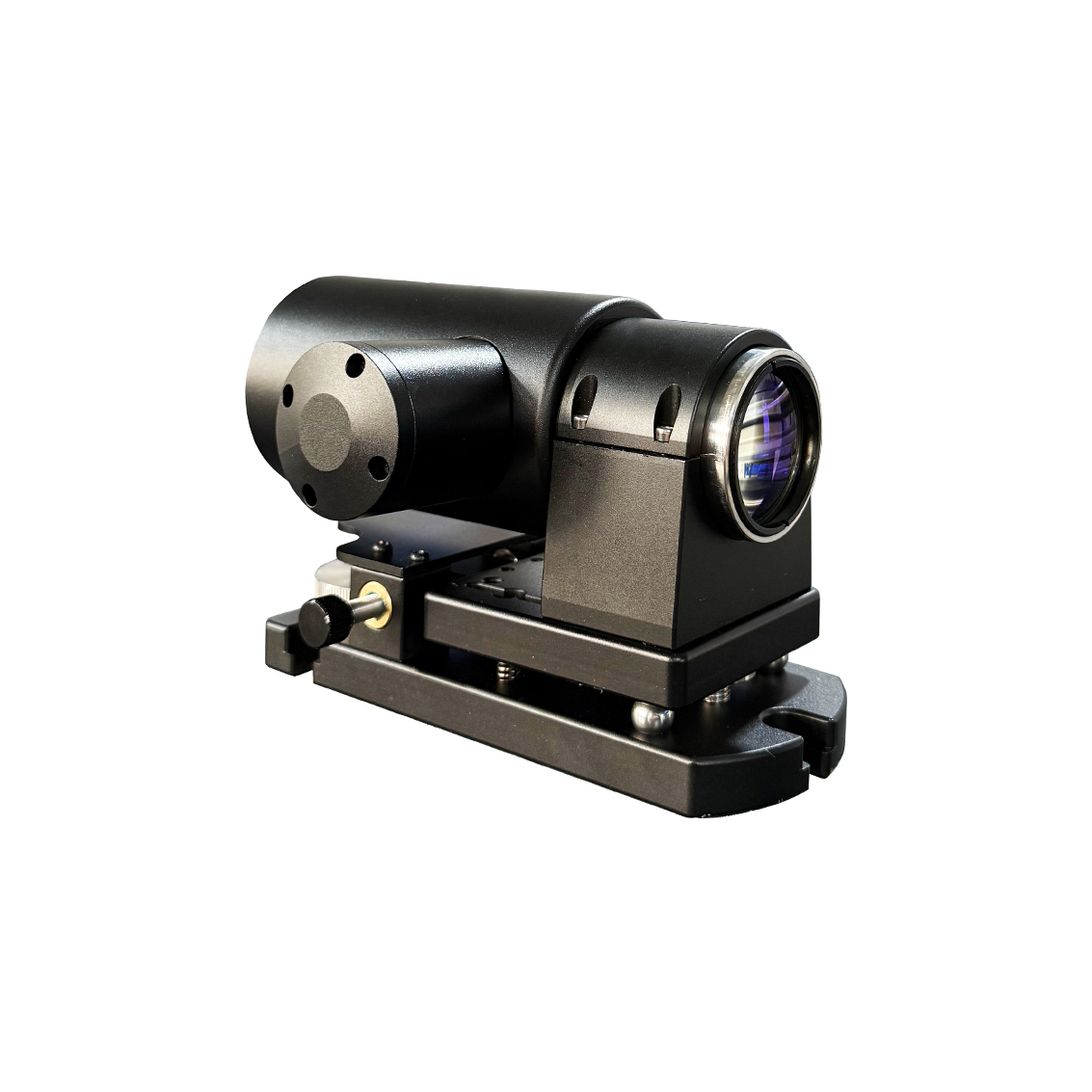
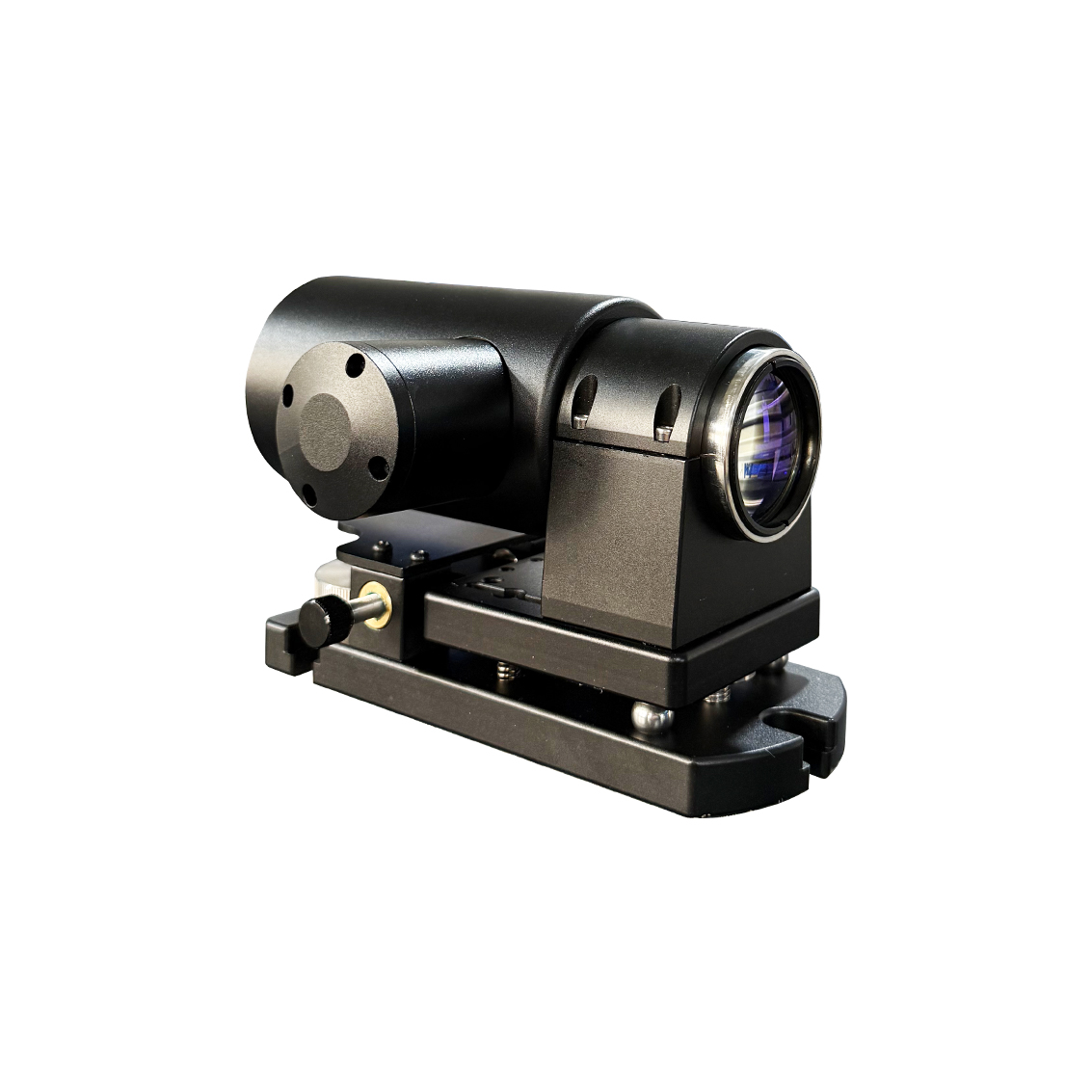
Wide-field dual-axis electronic autocollimator maximum measuring distance 2m
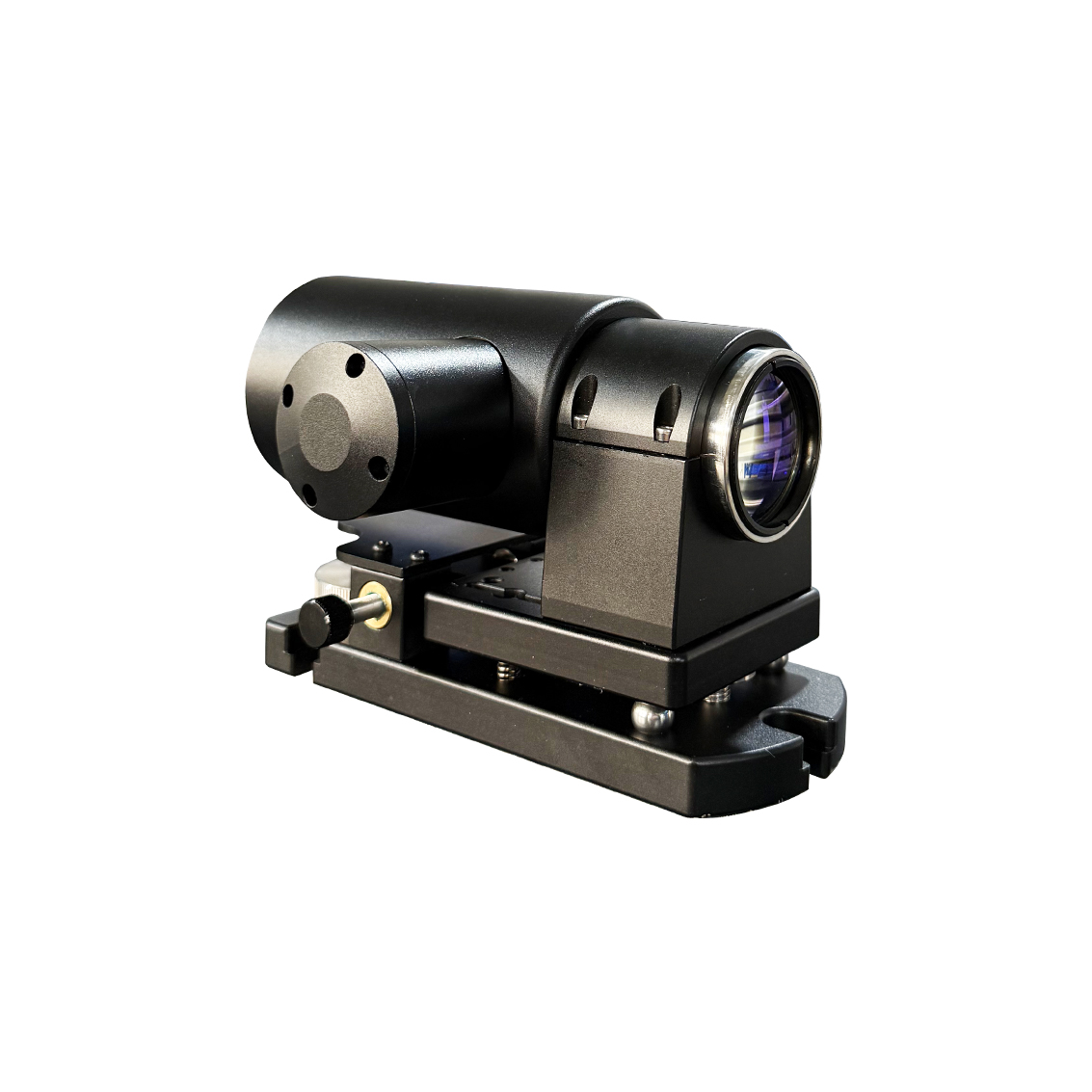
Wide-field dual-axis electronic autocollimator maximum measuring distance 2m