How two sections separate errors
With readings θ₁ and θ₂ over a distance L, true tilt is (θ₂−θ₁)/L, while the mean reflects target-seat eccentricity rather than shaft attitude.
A single section cannot do this: tilt and eccentricity are mixed. In practice this step is called separating the systematic term.
The readings
A 0.15 mm height difference over 2000 mm gives 7.5×10⁻⁵ rad, i.e. 15.5″ or 0.075 mm/m.
Against 0.05 mm/m that is 50% over. Forcing the coupling together loads one bearing radially; rising running temperature is the first observable sign.
Order of adjustment
Move the main engine or gearbox first to bring tilt within 0.03 mm/m, then fine-tune intermediate bearing height to remove the residual kink. Reverse order fights itself.
Wait 4 h after adjustment for hull and foundation to settle, then re-measure. Early after launch the hull is still relaxing and results look optimistic.
Case workflow, animated
- Confirm the task and datum
- Lay out stations by span
- Acquire readings and convert
- Evaluate and verify
The animation follows the station layout and calculation order of this case. Values are teaching data.
Teaching data. Real alignment also involves bearing clearance, shaft sag, gear backlash and hot growth. Only the angle-to-linear conversion is demonstrated.
Recommended instruments
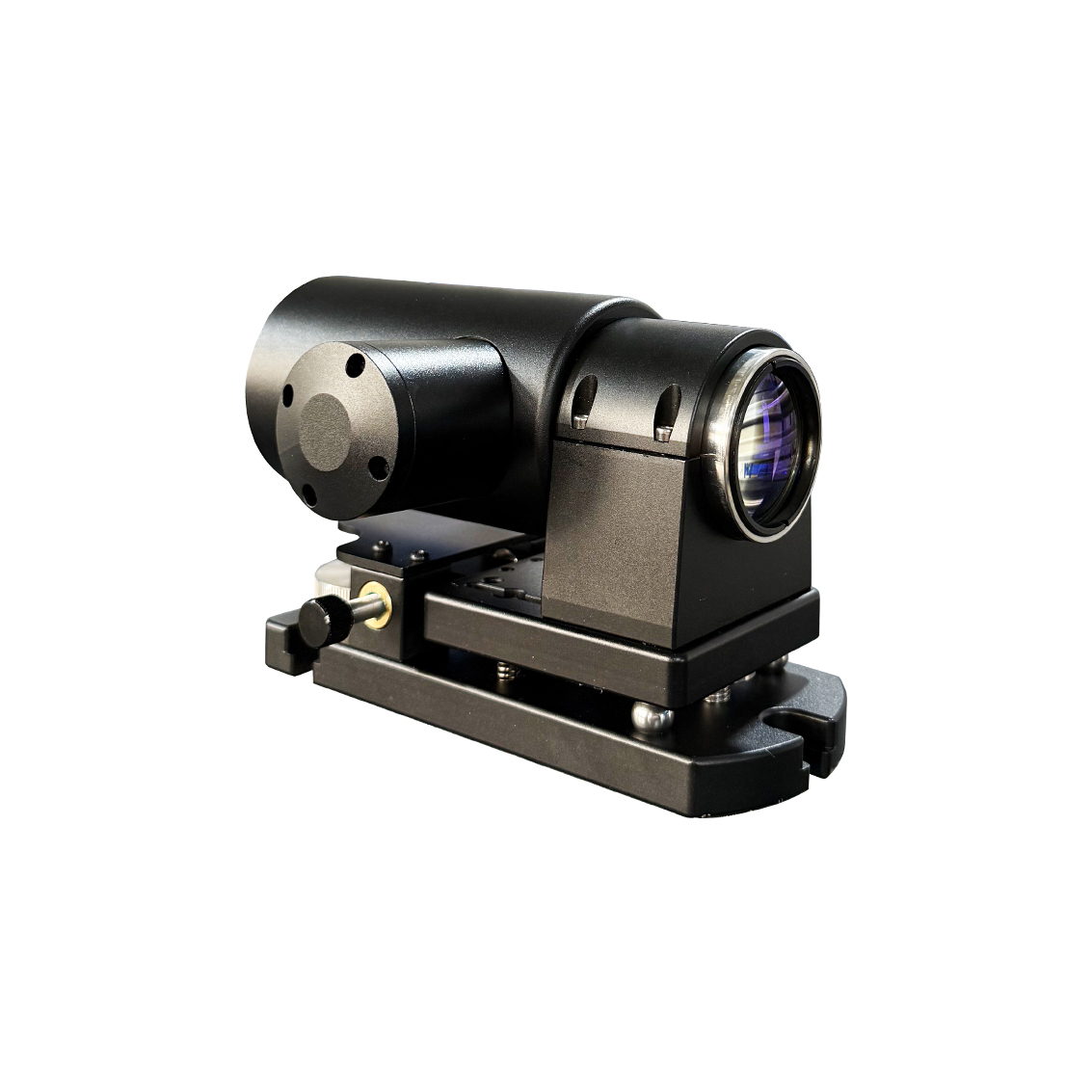
Wide-field dual-axis electronic autocollimator maximum measuring distance 2m
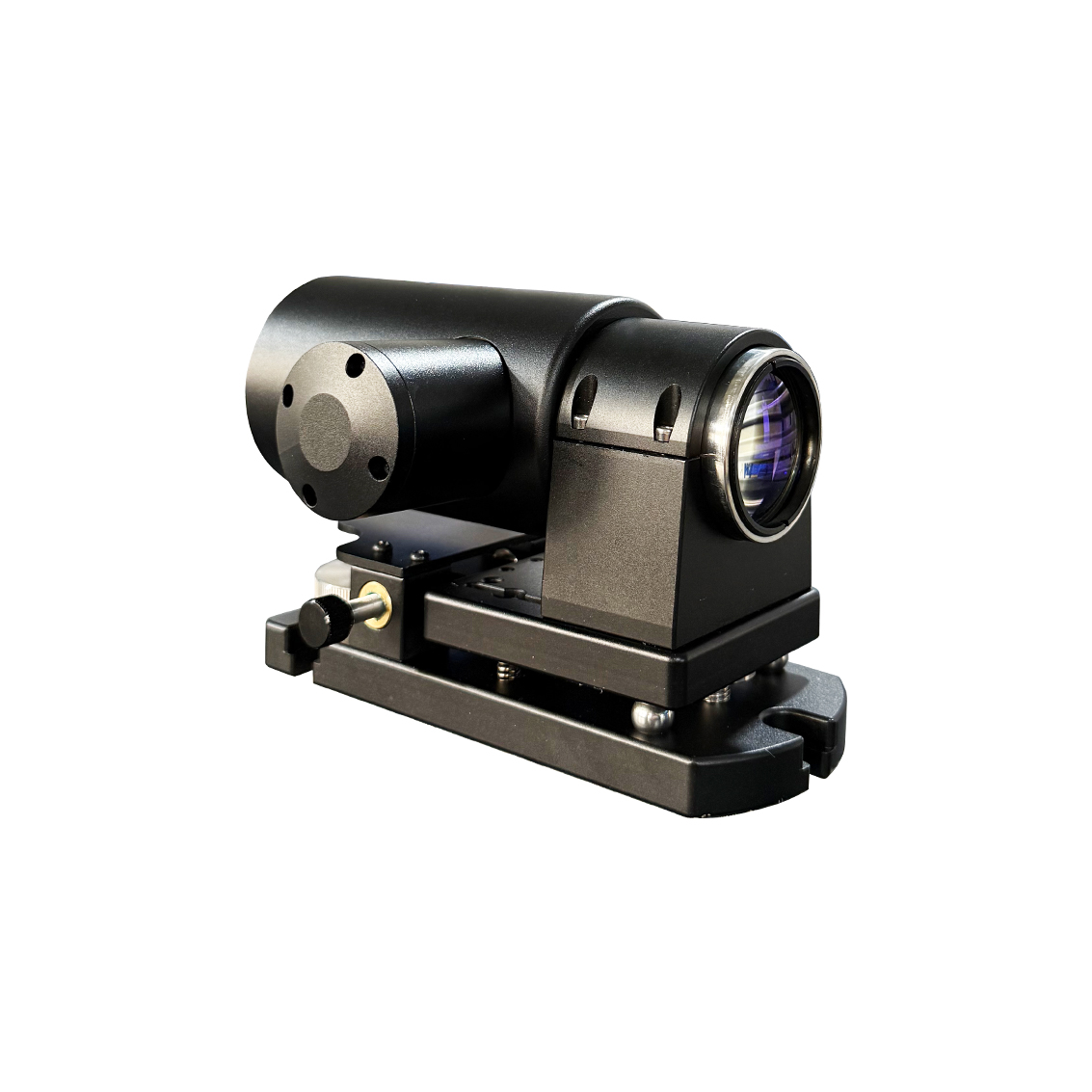
Wide-field dual-axis electronic autocollimator maximum measuring distance 2m