Animated explanation
- Establish the geometry
- See how one reading forms
- Change a condition and observe
- Return to the formula and its limits
The animation explains relationships and directions. Read numbers from the formula, the standard and your records.
Different datums: gravity vs optical axis
A level uses a pendulous or capacitive sensor whose zero is defined by gravity, so it naturally answers "how much does this segment tilt from the horizontal". An autocollimator zero is its own optical axis, answering "how much did the mirror rotate relative to the instrument", independent of gravity.
A level therefore cannot cover orientations beyond surface-plate style work, such as vertical guideways. With a steering mirror an autocollimator measures both planes plus squareness and parallelism.
Guideway straightness: how to choose
For short beds, a single direction and low vibration, a 0.01 mm/m class level is fast and cheap. For long guideways (>3 m), vertical-plane data, simultaneous planes or vibration on site, non-contact autocollimation is more robust.
Note the level span is fixed by its bridge, so finer segmentation accumulates more error; the autocollimator span is set only by the mirror carrier and suits long guideways.
Combined use: cross-checking
For acceptance of critical guideways, measure once with each instrument: two independent datums agreeing makes the result credible. If they disagree, first check bridge span, mirror carrier stiffness and temperature gradient instead of averaging the two sets.
Keep the raw angle sequences, use the same segmentation and the same minimum-zone algorithm for both, otherwise differences are not comparable.
Related methods and industries
Recommended instruments
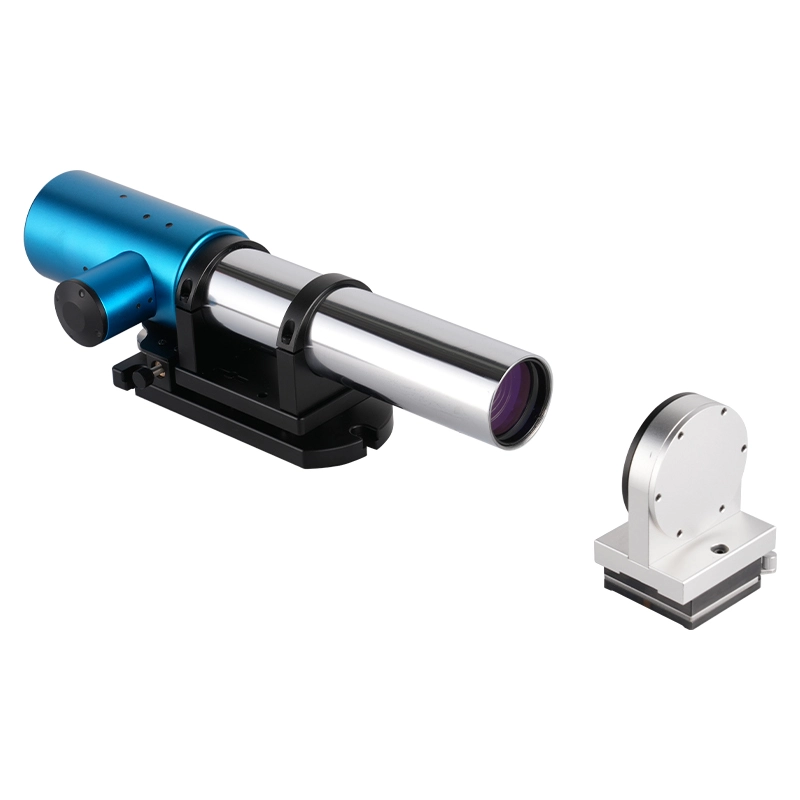
Dual-axis autocollimator, accuracy 0.1″, range 30 m
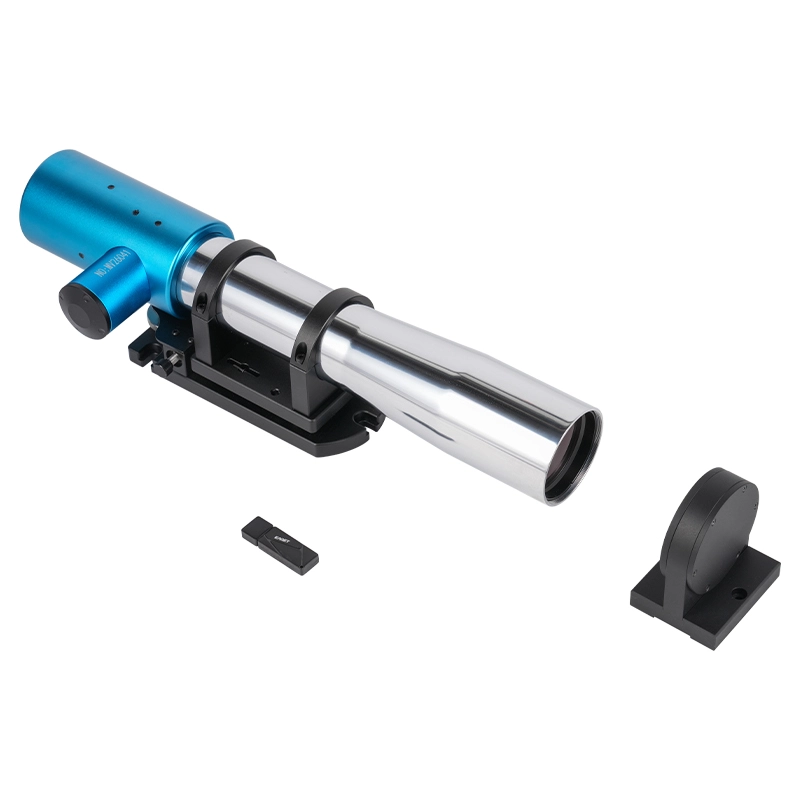
Dual-axis autocollimator, accuracy 1″, range 40 m