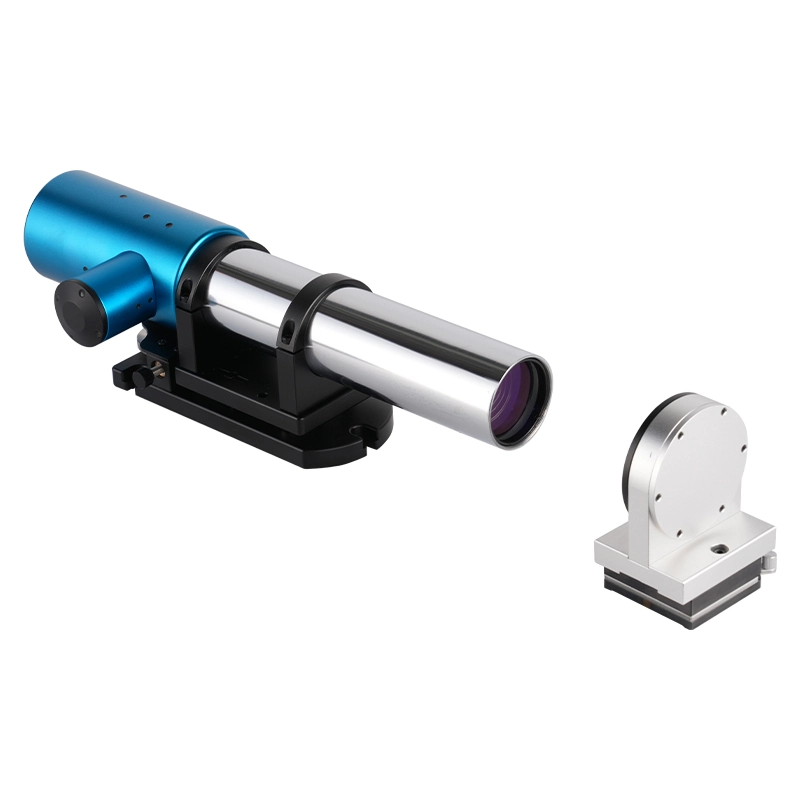
Animated explanation
- Establish the geometry
- See how one reading forms
- Change a condition and observe
- Return to the formula and its limits
The animation explains relationships and directions. Read numbers from the formula, the standard and your records.
Integrate first, evaluate second
Multiply each segment angle by the span to obtain the height increment between adjacent stations, then accumulate to obtain the height profile. The inputs are angle and span, both of which must be recorded.
The result is a relative profile with unknown absolute height, so evaluation requires an explicit datum: an end-to-end line, a least-squares line or a minimum-zone boundary.
Least squares is not minimum zone
Least squares minimises the sum of squared residuals and is good for trends. The minimum-zone method finds the narrowest band containing all points, usually yields a smaller value and is the definition used by most acceptance standards.
The two algorithms give different numbers. Reporting a value without the algorithm makes later comparison impossible.
Closure is a health check on the data
On a round-trip or a closed loop back to the start, the accumulated height should return to zero. A large closure error points to drift, a changed setup or a recording mistake.
Closure error should not simply be distributed away; it is first a warning. Find the cause before deciding whether to repeat the measurement.
How to state uncertainty
Main contributions are indication error, repeatability, span calibration, temperature effects and mirror surface form. Combine them in quadrature into the standard uncertainty u_c and multiply by the coverage factor k to obtain U.
State conclusions together with uncertainty. With a 10 μm tolerance and U of 4 μm the decision margin is already thin, so add measurements or use a higher-grade approach.
Related methods and industries
Recommended instruments
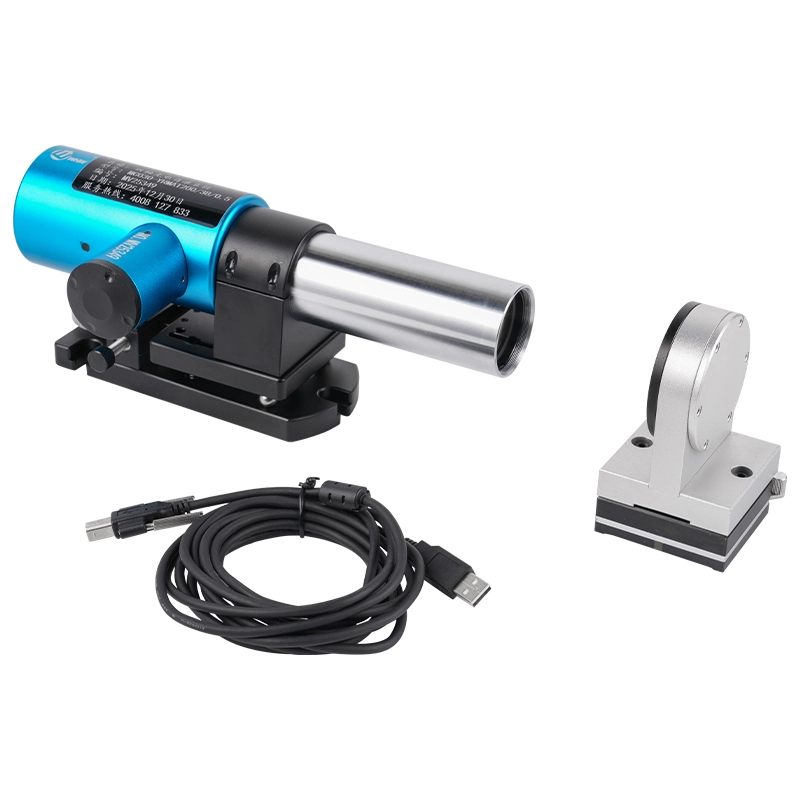
Dual-axis electronic autocollimator accuracy 1″ maximum measuring distance 10m
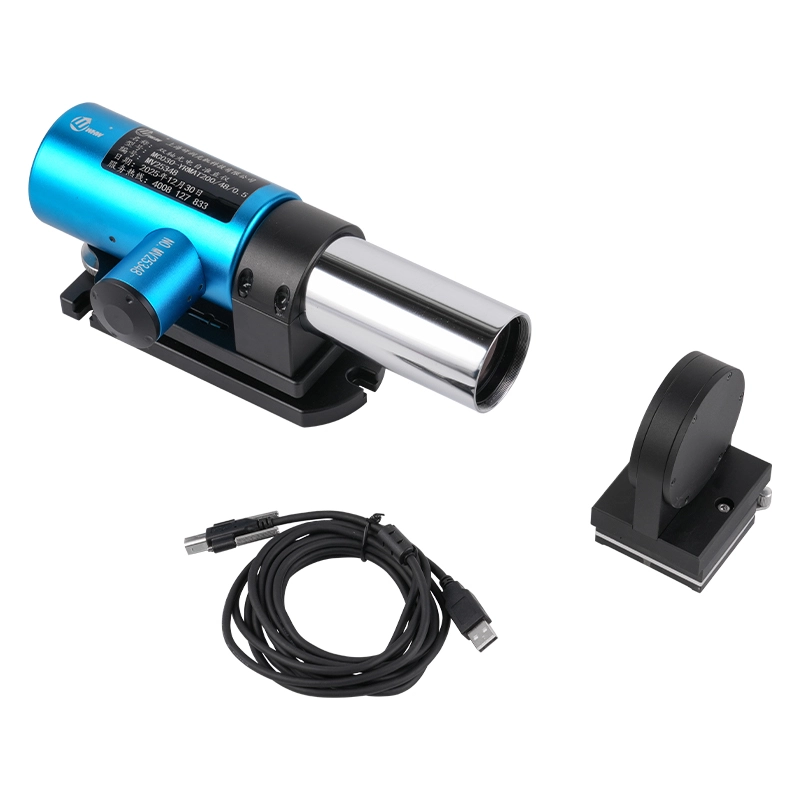
Dual-axis electronic autocollimator accuracy 1″ maximum measuring distance 20m