
ΔL = α·L·ΔT (steel α≈1.2e-05/K); gradient bow needs its own section and support estimate
Animated explanation
1 / 4
- Establish the geometry
- See how one reading forms
- Change a condition and observe
- Return to the formula and its limits
The animation explains relationships and directions. Read numbers from the formula, the standard and your records.
Estimate the magnitude first
A 1 m steel part heated by 2 K grows about 23 μm.
A 1 K difference between top and bottom bows a beam in the middle while the ends stay almost fixed — the usual source of morning/afternoon disagreement.
A criterion for soaking time
Do not use "two hours" as the criterion. Use the rate: drift below one third of the target uncertainty over 15 minutes.
Log ambient, part surface and instrument temperature; disagreement among the three means a gradient persists.
What the record must contain
Start and end temperature, stability criterion, sunlight and air-conditioning exposure, and whether paired runs were made.
Related methods and industries
Thermal Drift & Stability ↗Long-term monitoring and trending ↗Straightness ↗Education ↗Optics & Optomechanics ↗Machine Tools ↗
Recommended instruments
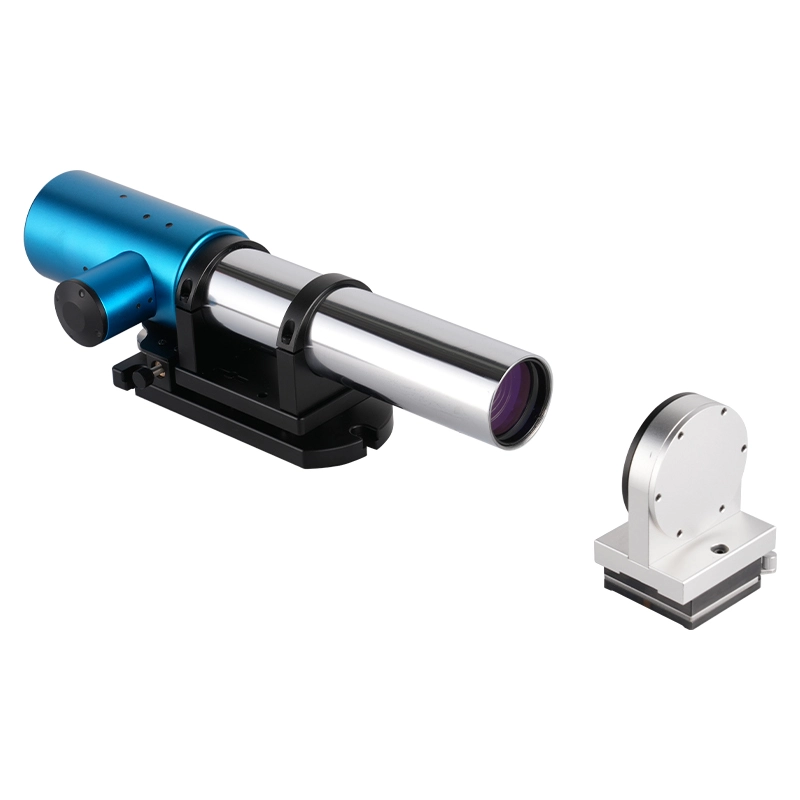
Dual-axis autocollimator, accuracy 0.1″, range 30 m
MC030-MAT300/48/0.1
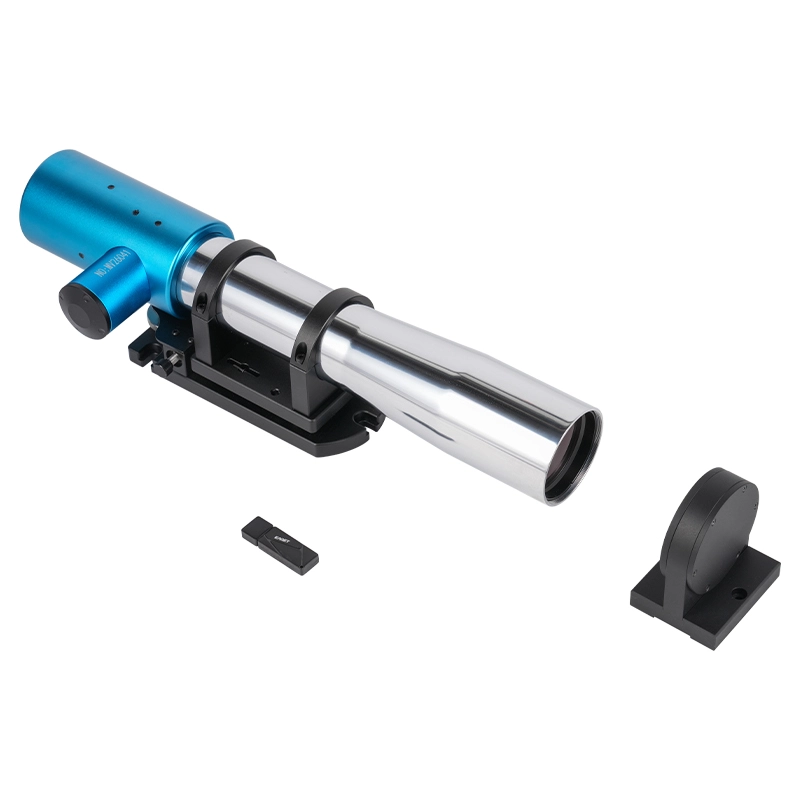
Dual-axis autocollimator, accuracy 1″, range 40 m
MC030-LD350/60/1
Dual-axis autocollimator, accuracy 1″, range 50 m
MC030-LD400/68/1